
Imagine sipping a latte in a bustling café in Berlin one week, then lounging on a beach in Bali the next. This isn’t a plot twist from your favorite travel movie: it’s the life of a digital nomad. Picture this: trading your office cubicle for a hammock while still earning that paycheck. It sounds too good to be true, but it’s a lifestyle that many are embracing. In this digital nomad guide, we’ll explore what it takes to break the traditional mold and build a life where work and adventure beautifully intertwine. Let’s immerse.
What Is a Digital Nomad?
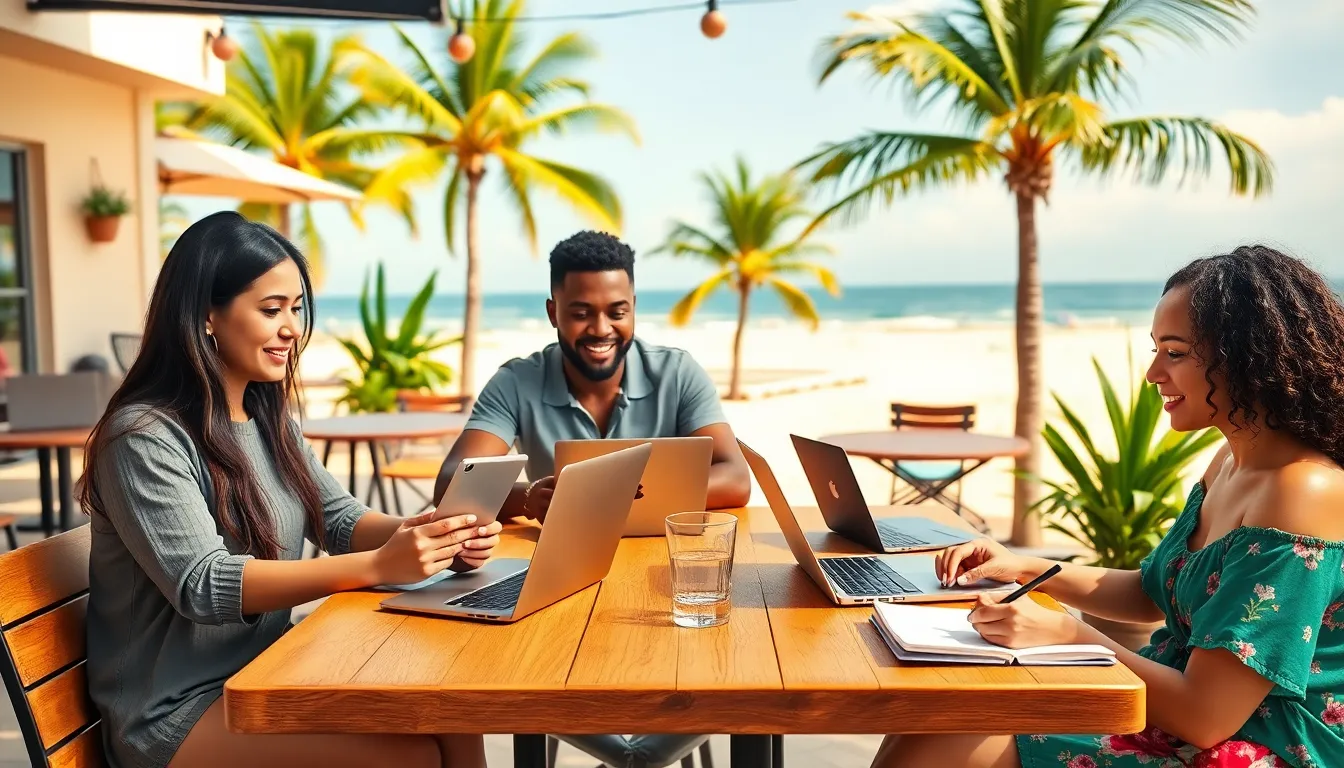
A digital nomad is someone who leverages technology to work remotely while traveling. Instead of being tied to a desk in a specific location, digital nomads can choose to work from anywhere in the world. This lifestyle is made possible by advancements in technology, which allow people to connect to the internet and perform their jobs from almost anywhere. Whether it’s writing code, designing graphics, or managing social media, all of these tasks can be accomplished from a beachfront bungalow or a cozy mountain cabin.
The rise of remote work has expanded the concept of a digital nomad. Unlike traditional freelancers or remote workers who may still have a home base, nomads embrace a lifestyle of constant travel, often moving from city to city or even country to country. They relish the freedom of setting their own schedules and choosing when and where to work, which often leads to unique life experiences and a broader understanding of different cultures.
Benefits of Being a Digital Nomad
Choosing to be a digital nomad offers a plethora of benefits that traditional careers simply can’t match. Freedom tops the list, freedom to work from anywhere, freedom to set your own schedule, and the freedom to explore new places and cultures.
Also, this lifestyle can significantly reduce living costs. Many digital nomads choose to travel to countries where the cost of living is lower, allowing them to enjoy a higher quality of life without very costly. Imagine living in a vibrant city like Chiang Mai, where a delicious meal can cost less than a fancy coffee back home.
Also, the opportunity for personal growth is immense. Traveling exposes individuals to diverse ways of life, new languages, and novel challenges, all of which contribute to a richer life view. Adapting to various cultures and learning to navigate unfamiliar situations can build resilience and adaptability, traits that are invaluable both personally and professionally.
Essential Skills for Digital Nomads
To thrive as a digital nomad, specific skills can make the transition smoother and the experience more enjoyable. First and foremost, strong communication skills are essential, especially since much of the work involves remote collaboration. Understanding how to convey ideas clearly through emails, video calls, and instant messages can make a world of difference.
Next, self-discipline is crucial. The freedom of working from anywhere can sometimes blur the lines between work and play, so staying focused and managing time effectively is vital. Setting personal deadlines and maintaining a structured routine can help maintain productivity.
Tech-savviness is another important skill. Familiarity with various software tools, collaboration platforms, and digital communication methods can enhance efficiency and connectivity. Whether using project management tools like Trello or communication platforms like Slack, knowing how to leverage technology can streamline workflows.
Finally, adaptability is a must. Digital nomads often face unexpected challenges, such as internet connectivity issues or cultural differences. Being flexible and finding solutions on the fly not only ensures work continues but also enriches the travel experience.
Choosing Your Destination
Selecting the right destination (or destinations) is a critical aspect of the digital nomad lifestyle. The perfect spot can depend largely on personal preferences, like climate, culture, and cost of living.
For instance, cities like Bali and Lisbon have become hot spots due to their welcoming expat communities, affordable living, and vibrant local culture. These locations often feature coworking spaces tailored to the needs of remote workers, providing a perfect blend of productivity and community.
Safety is another important factor. Researching a destination’s safety record, local laws, and cultural norms can prevent unpleasant surprises. Online forums and blogs can provide invaluable insights from fellow digital nomads who have traveled to these areas.
Finally, considering visa requirements is essential. Some countries offer special visas for remote workers, making it easier for nomads to settle in for an extended period. Checking the latest regulations and planning accordingly can save a lot of hassle.
How to Build a Remote Work Career
Building a successful remote work career often requires a strategic approach. First, identify the skills you already possess and how they can translate into remote work opportunities. This can involve taking online courses or obtaining relevant certifications that boost employability.
Networking plays a vital role in finding remote work opportunities. Joining online communities, LinkedIn groups, or participating in industry forums can lead to valuable connections. Often, jobs are filled through personal referrals and connections in the digital space.
Creating an updated online portfolio showcasing your work can also attract potential clients or employers. This is especially important for freelancers and those in creative fields. Use social media platforms to display projects and engage with peers in your industry. Building a personal brand can open up numerous paths in a remote career.
Tips for Living as a Digital Nomad
Living as a digital nomad can be both exciting and challenging. Here are some practical tips to make the experience smoother:
- Establish a Routine: While flexibility is a perk, having a consistent daily routine can enhance productivity and provide stability.
- Stay Organized: Use digital tools to track tasks, deadlines, and travel plans. Apps like Todoist or Evernote can keep everything in check.
- Create a Budget: Understanding where money is spent while traveling can prevent financial stress. Stick to a budget that factors in accommodation, food, transportation, and entertainment.
- Maintain a Healthy Lifestyle: Ensure to prioritize physical health by staying active and eating well. Regular exercise can boost energy levels and mental clarity.
- Engage with the Local Community: Making an effort to connect with locals can enrich the travel experience. Attend local events, explore cultural attractions, and enjoy the hospitality of others.